
A Passive House is far more than simply an “energy-efficient” building — it is the most rigorously defined and internationally recognized building standard, combining exceptional comfort, a healthy indoor environment, and extremely low operating costs.
As Dr. Wolfgang Feist, founder of the Passive House Institute, described it: “A Passive House is a building in which thermal comfort (ISO 7730) can be achieved solely by post-heating or post-cooling the fresh air volume required to maintain adequate indoor air quality (DIN 1946), without the need for additional recirculated air.”
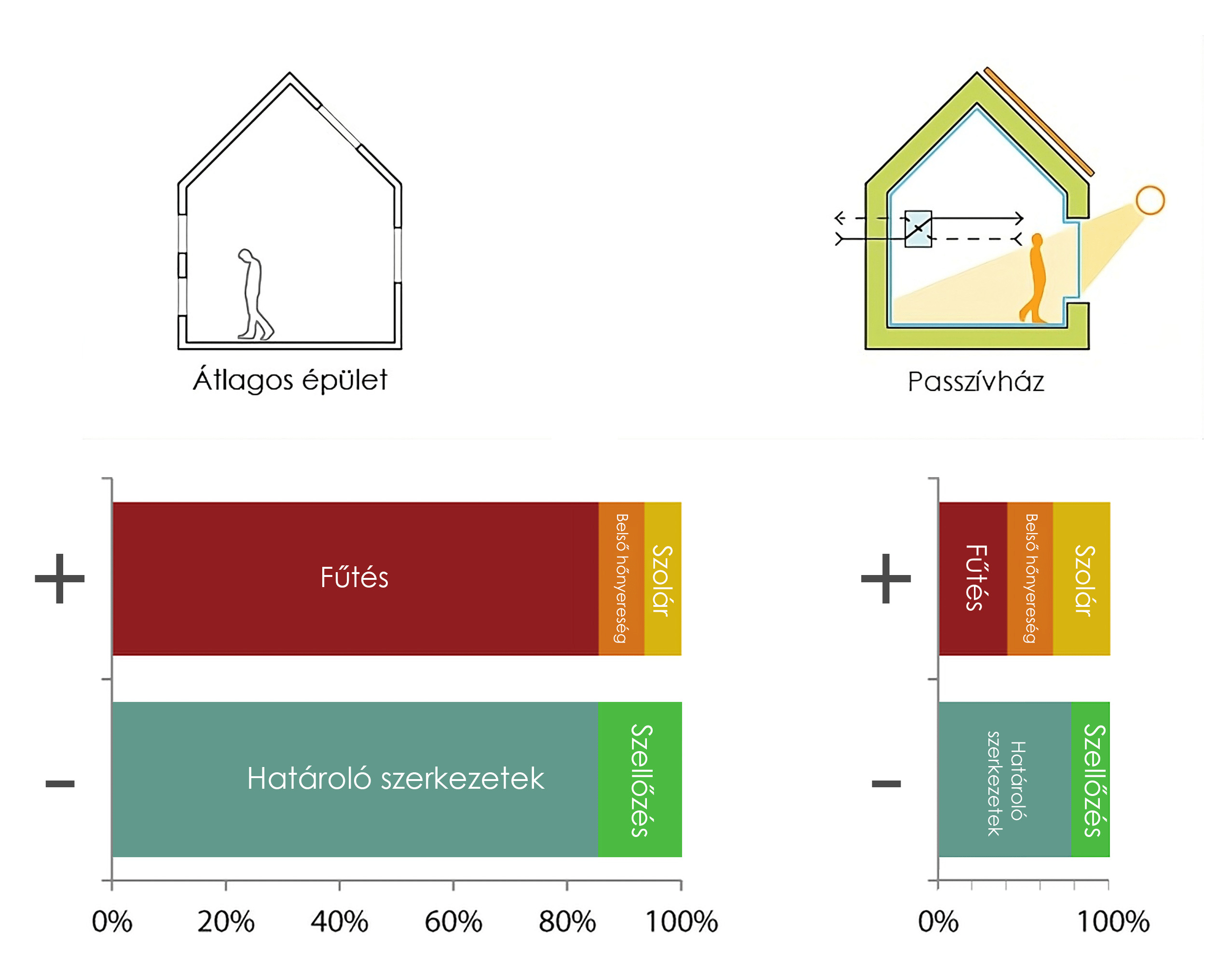
In practice, this means that a Passive House requires only minimal heating and cooling energy because it is capable of retaining internally generated heat far more effectively than conventional buildings. At the same time, indoor temperatures remain stable and comfortable throughout the entire year.
It is important to emphasize that a Passive House does not require a restrictive lifestyle. On the contrary, it provides a significantly higher level of comfort while substantially reducing operating and energy costs.
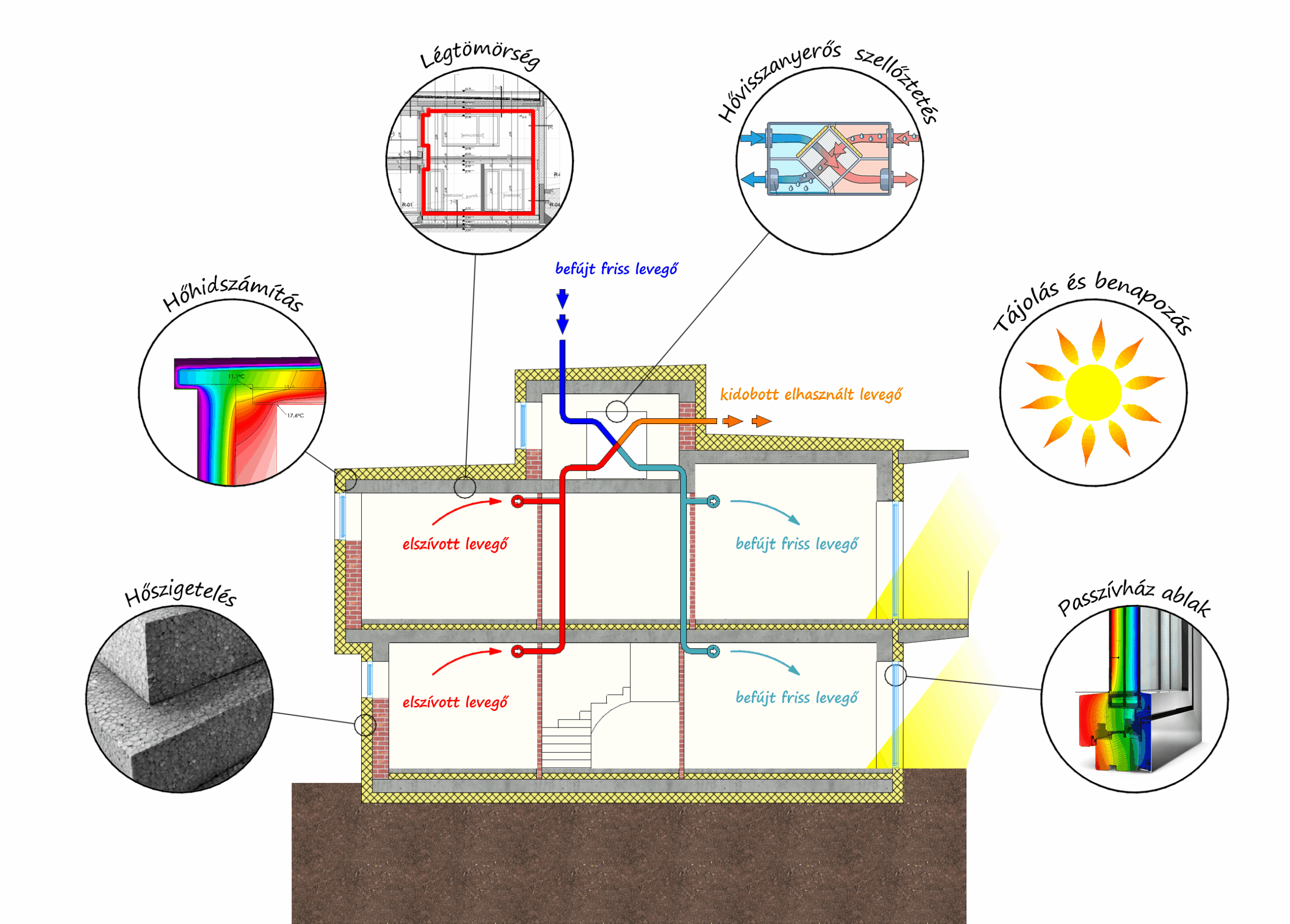
The performance of a Passive House depends fundamentally on the quality of the design process. From the earliest conceptual phase, it is determined whether the building will be capable of meeting the strict certification requirements.
Spatial organization, orientation, material quality, thermal bridge-free detailing, and building systems design are all decisions that must be optimized from the outset.
Without proper preparation, even the best contractor cannot achieve the intended energy performance and comfort level. Through our detailed and precise documentation, Clients can begin construction knowing that all critical decisions and technical details have already been carefully resolved — leaving the contractor to focus on accurate execution.
PHPP (Passive House Planning Package; in German: Passivhaus Projektierungspaket) is a highly detailed energy modelling and verification system consisting of nearly 40 interconnected worksheets.
The calculation includes:
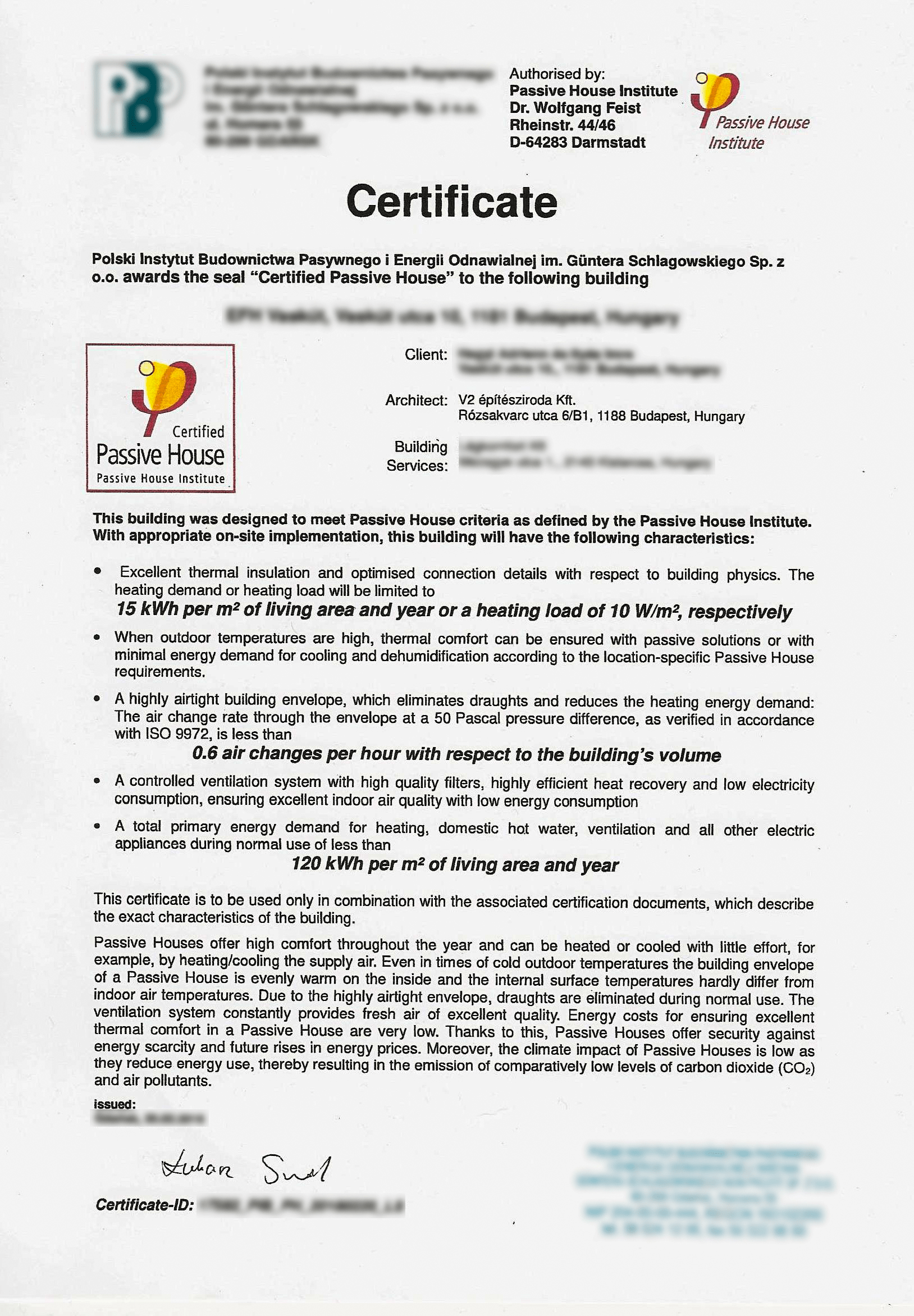
PHPP serves as the primary verification document for Passive House certification and allows the design team to immediately evaluate how individual design decisions and modifications influence the building’s overall energy demand and comfort performance.
Although PHPP is not mandatory for every low-energy building, its accuracy and predictive reliability make it strongly recommended even in projects where official Passive House certification is not pursued.

Energy performance verification using the methodology of the Passive House Institute.
Detailed analysis and optimization of thermal junctions and construction details.
Energy-efficiency assessments and optimization recommendations for both new and existing buildings.
Comprehensive design services from concept development through construction documentation, supported by trusted engineering partners.
Yes, PHPP is mandatory for official Passive House certification, as the building’s performance cannot be properly verified without it. If certification itself is not the objective, PHPP is not strictly required; however, it is still strongly recommended, since without it the expected energy performance cannot be assessed with sufficient reliability or accuracy.
The exact savings always depend on the building itself and the way it is used; however, based on our experience, a well-designed Passive House can reduce heating and cooling energy demand by approximately 60–90% compared to conventional buildings.
Yes. Energy efficiency and high-quality architecture are not mutually exclusive — in fact, the best buildings successfully combine both.
Yes. In the case of comprehensive renovations involving all major building disciplines, Passive House retrofit standards — such as the EnerPHit methodology — can be successfully applied.

This website was created with the support of the Demján Sándor Program.
© 2026 V2 Építésziroda. All rights reserved. All textual and visual content on this website is the intellectual property of the author and may only be copied or used with prior written permission.